
Ordering something beautiful for your home is the exciting part. Getting it from the truck to your living room? That is where Hong Kong likes to keep things interesting.
In many residential buildings, the biggest challenge is not whether a sofa, bed, table or cabinet suits the room. It depends on whether it can actually reach the room. Lift doors, narrow corridors, unexpected stairs, tight turns, podium entrances and building-management rules can all affect delivery.
That does not mean you need to avoid larger pieces. It means you need to plan the route before you place the order.
What delivery constraints should you check before ordering large home pieces in Hong Kong?
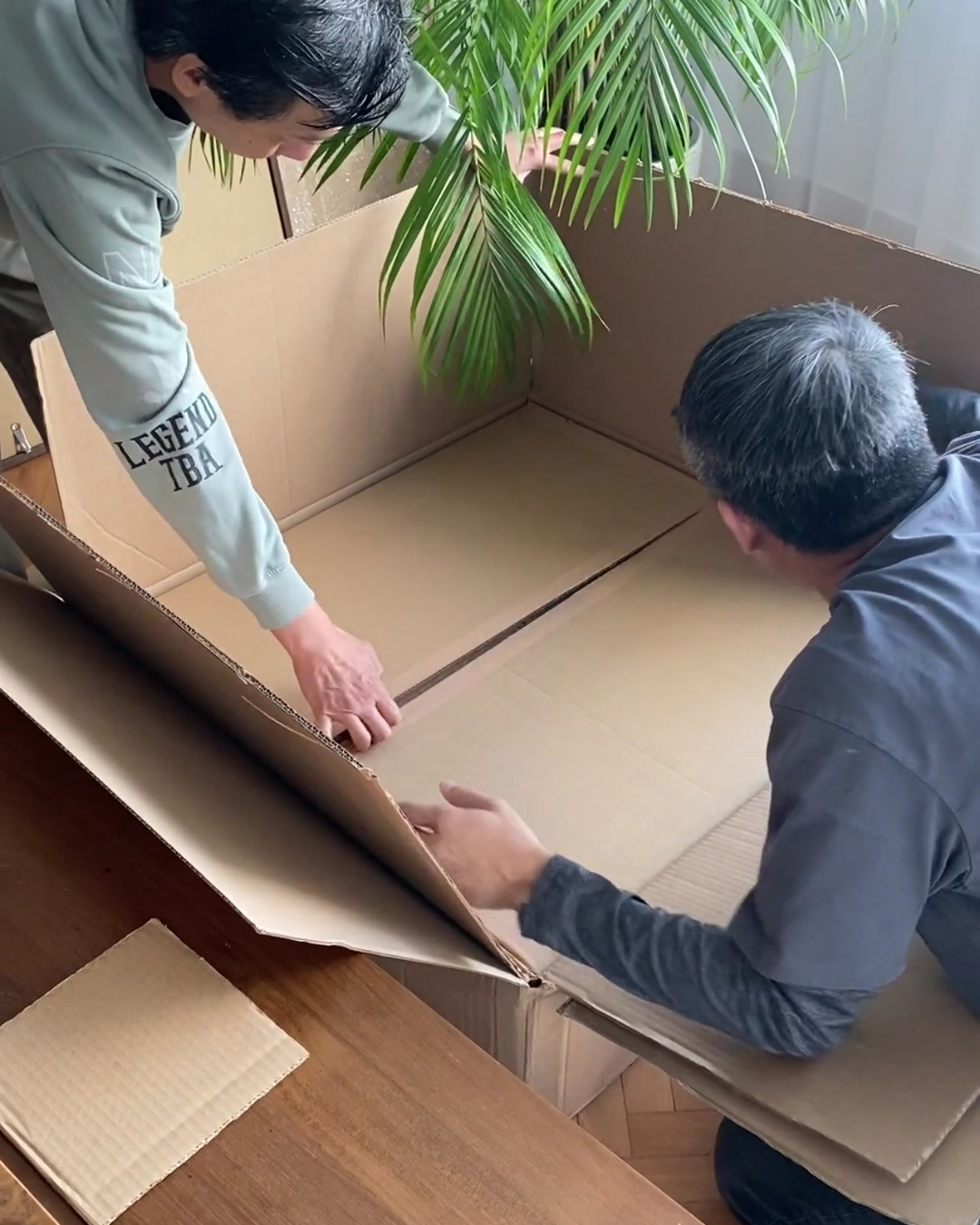
Before ordering large home pieces in Hong Kong, it’s best to check the full route from the point it’s dropped off to the space it’ll ultimately live in. That includes the building entrance, lift door opening, lift interior, staircases, corridor turns, apartment doorway, and internal doors.
You should also double-check your building management rules, delivery hours, and any supplier surcharges before confirming the order. The most important checks are:
- Where the delivery vehicle can stop
- How far the team need to carry the item
- Whether a service lift is available
- Whether the lift needs to be booked
- Whether there are stairs anywhere on the route
- Whether the item arrives assembled, packaged or in parts
- Whether the supplier charges extra for stairs, distance or difficult access
Some Hong Kong suppliers have already built these constraints into their delivery terms. IKEA Hong Kong, for example, lists extra charges for buildings without lift access or for items that need to be carried up or down staircases, and notes that the delivery service covers addresses within a specified distance from the unloading point.
1. Access starts at the street
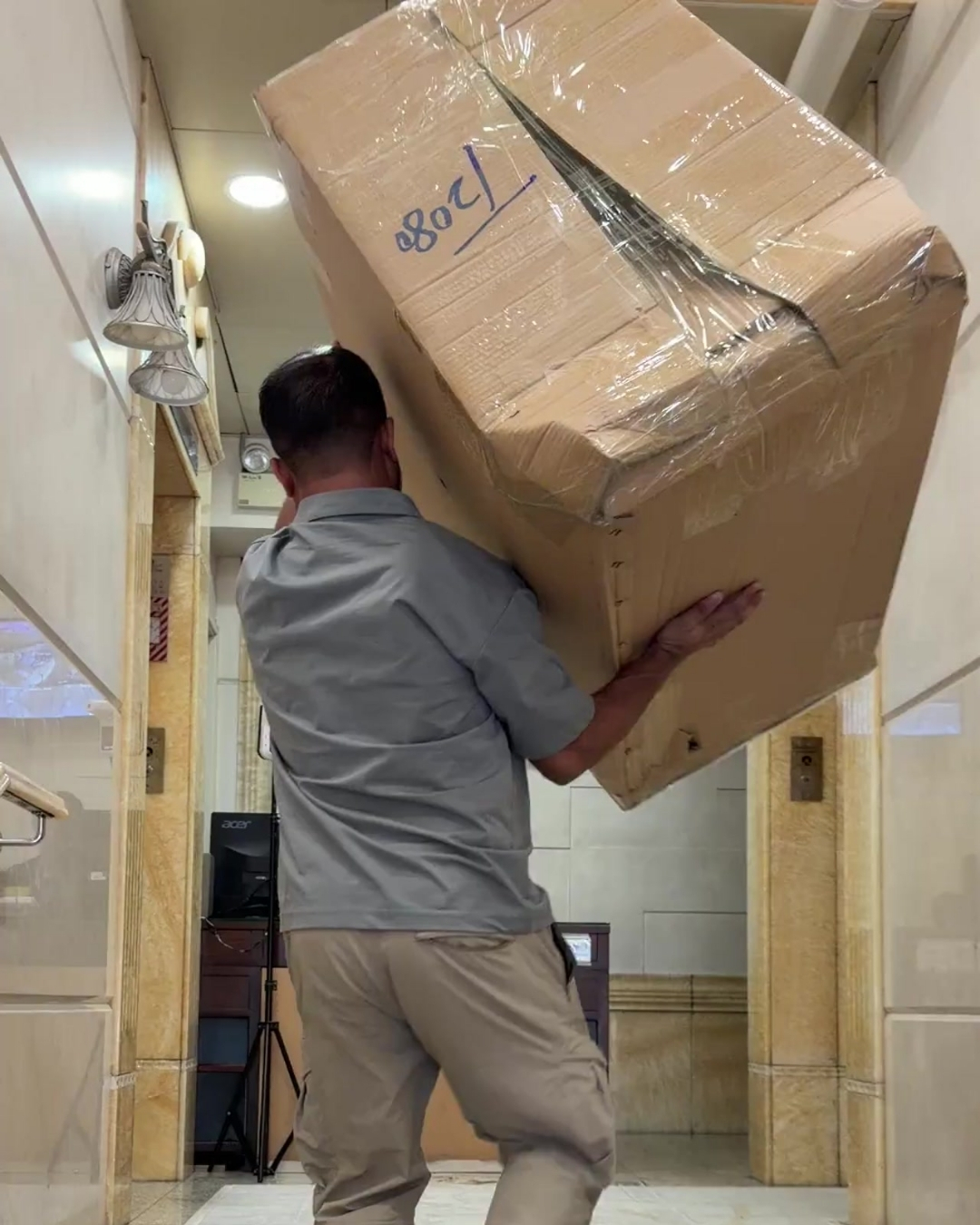
Unfortunately, the delivery route doesn’t begin at your front door but where the delivery truck can legally and safely stop. In Hong Kong, this can be more complicated than expected. Some buildings have a proper loading bay. Others have narrow roads, podium entrances, restricted streets, steep paths, village-house access or a pedestrian-only approach.
Before ordering, check:
- Can a delivery truck stop outside the building?
- Is there a loading bay?
- Does the car park or podium have height limits?
- Is the entrance on a slope?
- Are there outdoor steps?
- How far is the lobby from the unloading point?
- Is the home in a village house or a remote-access location?
Even a short carrying distance can matter when the item is large, heavy or awkwardly packaged. If the route includes outdoor stairs, a long path or a restricted road, tell the supplier before delivery day.
2. Know your building management rules
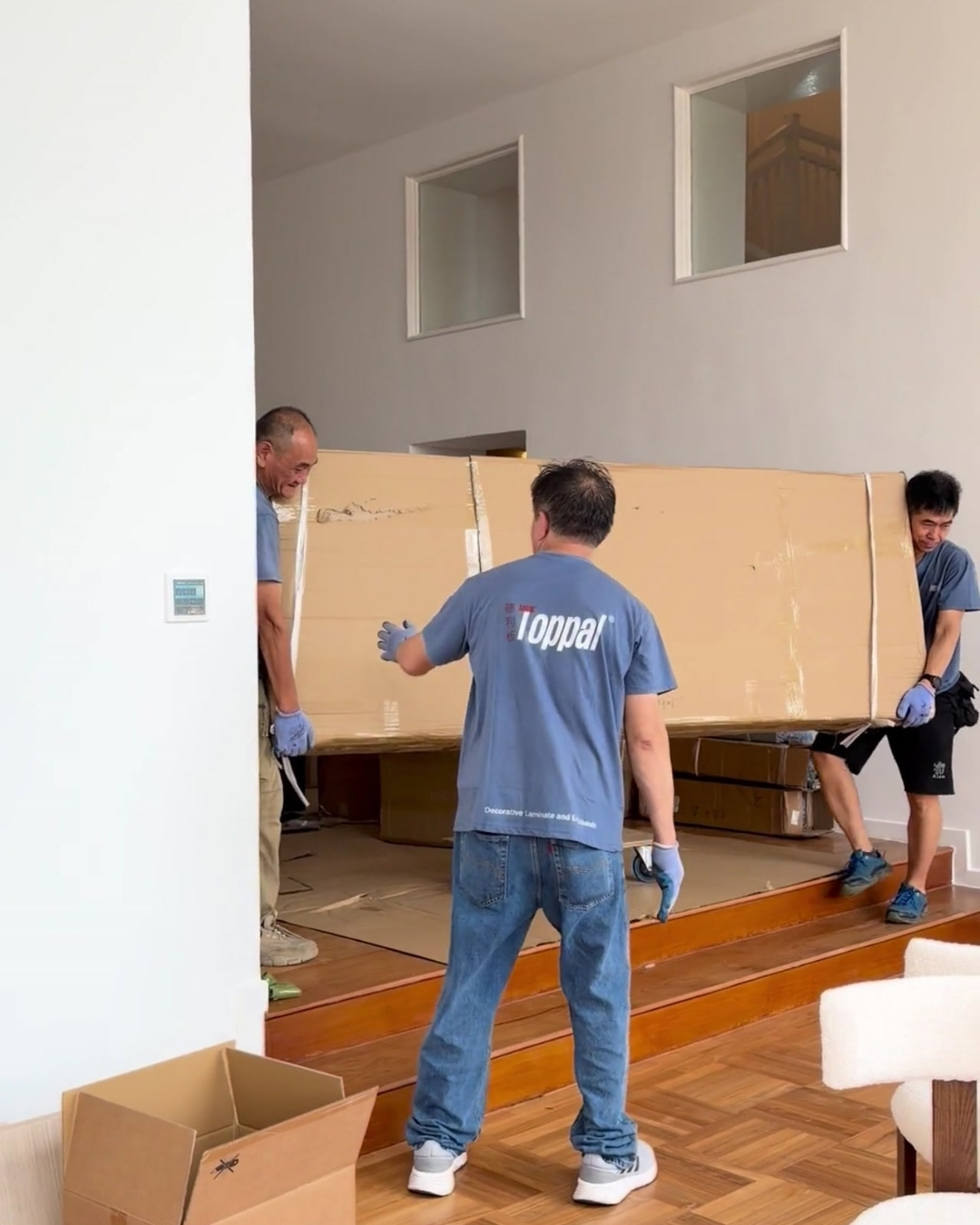
As home stylists, we’ve seen it all. Every Hong Kong building has its own way of doing things. Some aren’t bothered when you have large deliveries coming through. Others might need you to fill out a form and pad their lifts to protect them from damage, or request a very specific delivery window.
It’s best to get a temperature check on where they stand on deliveries. Before confirming delivery, you can ask building management:
- Do large deliveries need approval?
- Is there a service lift?
- Does the service lift need to be reserved?
- Are deliveries allowed on weekends or public holidays?
- Are there set delivery hours?
- Does security need the supplier’s company or vehicle details?
- Are lift pads or corridor protection required?
- Are there rules for packaging disposal?
- Can assembly take place exclusively inside the apartment?
This is especially important in managed estates and newer residential towers. A supplier may be ready to deliver, but if the building has not approved access, the delivery can be delayed or refused.
3. Know the full delivery route
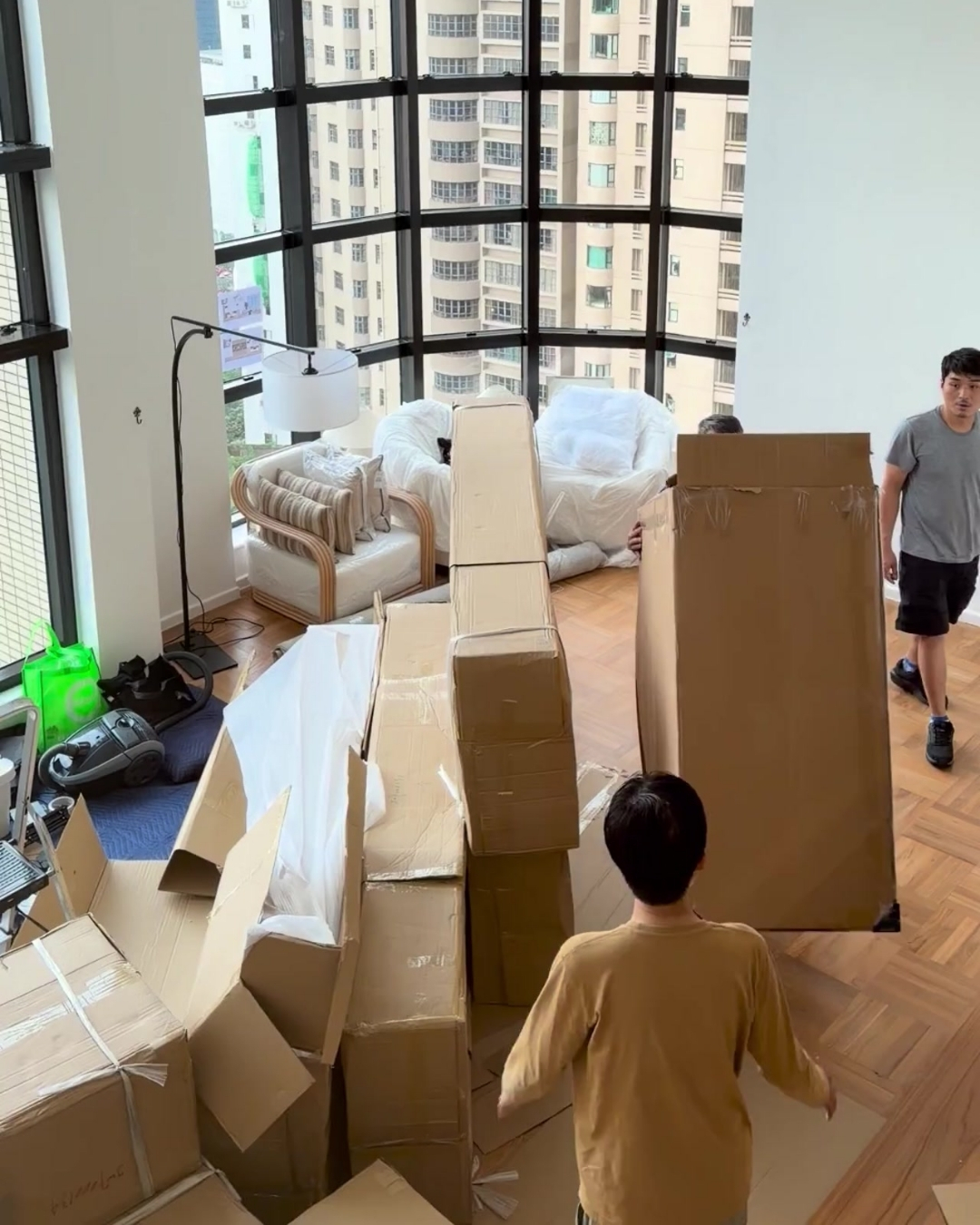
The best way to avoid surprises is to walk the route yourself. Start where the vehicle will unload. Then follow the exact path to the final room. Take photos, measure key points and note every turn, step and narrow section.
External access to check
- Gate width
- Main entrance width
- Lobby entrance
- Access-control doors
- Outdoor steps
- Ramps
- Pathways
- Space for turning large items
Lift access to check
- Lift-door width
- Lift-door height
- Interior lift width
- Interior lift depth
- Interior lift height
- Diagonal clearance
- Weight restrictions
- Service lift versus passenger lift
Internal access to check
- Lift lobby
- Corridor width
- Tight corners
- Apartment entrance
- Internal doors
- Final room entrance
- Ceiling height where an item needs to tilt or rotate
The biggest mistake is measuring only the final room. A large item might fit perfectly once inside, but still fail at the lift door, corridor corner or apartment entrance.
4. Product dimensions are not the same as packaging dimensions
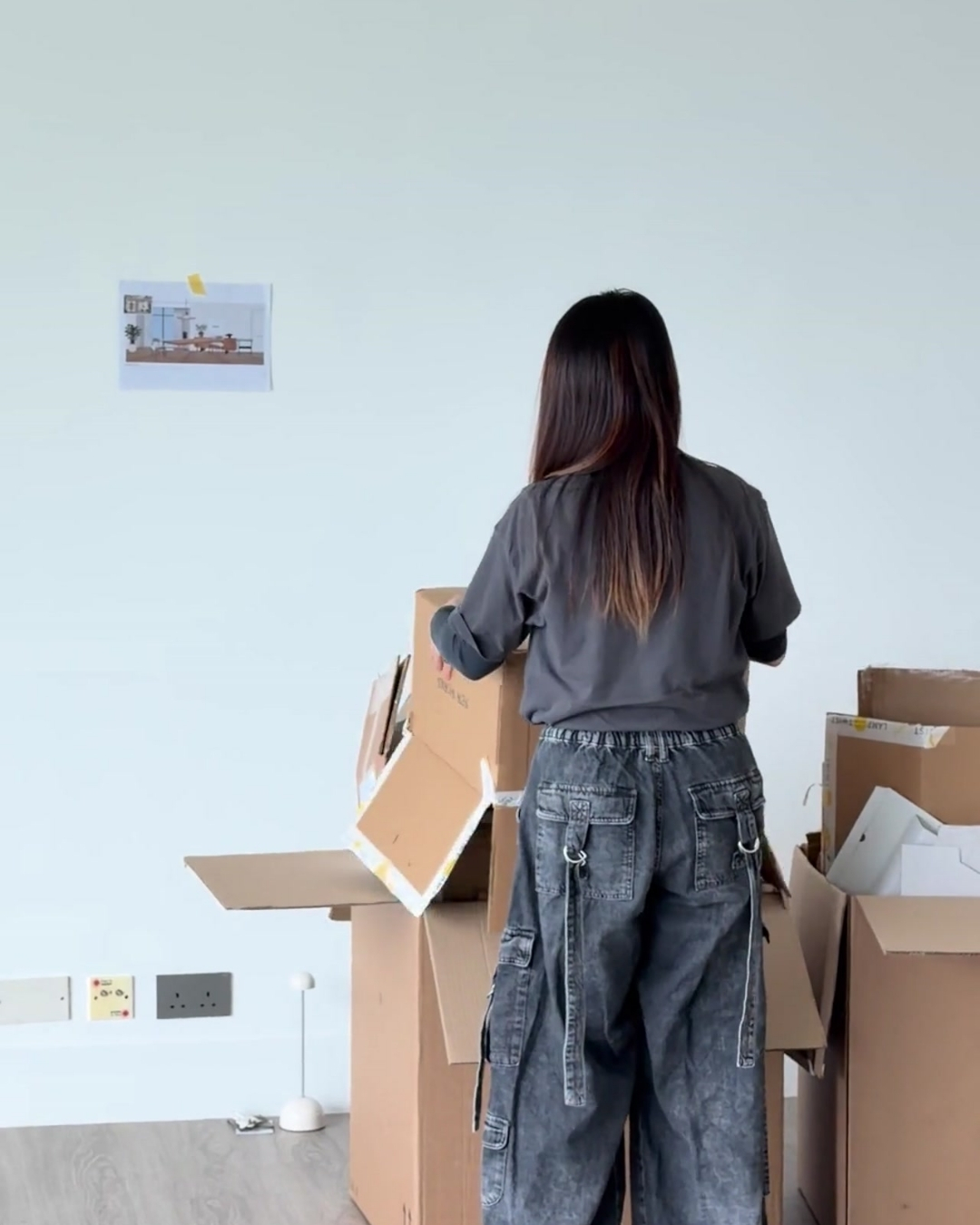
Homeware product dimensions can be a little misleading, as they usually describe the finished item, fully built, rather than the size it will be when it arrives. Packaging can add quite a bit of height, width and depth. Protective wrapping can also make the item less flexible. A sofa arm, table base or cabinet door that could theoretically be removed might still arrive in a way that limits movement through tight spaces.
Before ordering, ask:
- What are the packaged dimensions?
- Does the item arrive assembled?
- Can the legs, arms, doors or base be removed?
- Can it be assembled inside the room?
- Does it come flat-packed or in sections?
- Is professional assembly required?
- How much clear space is needed for assembly?
Remember, not everything will arrive in neat, buildable parts. Some things come pre-attached. So if you find access is tight, the packaging dimensions matter more than the showroom dimensions.
5. Lift constraints are more than lift size
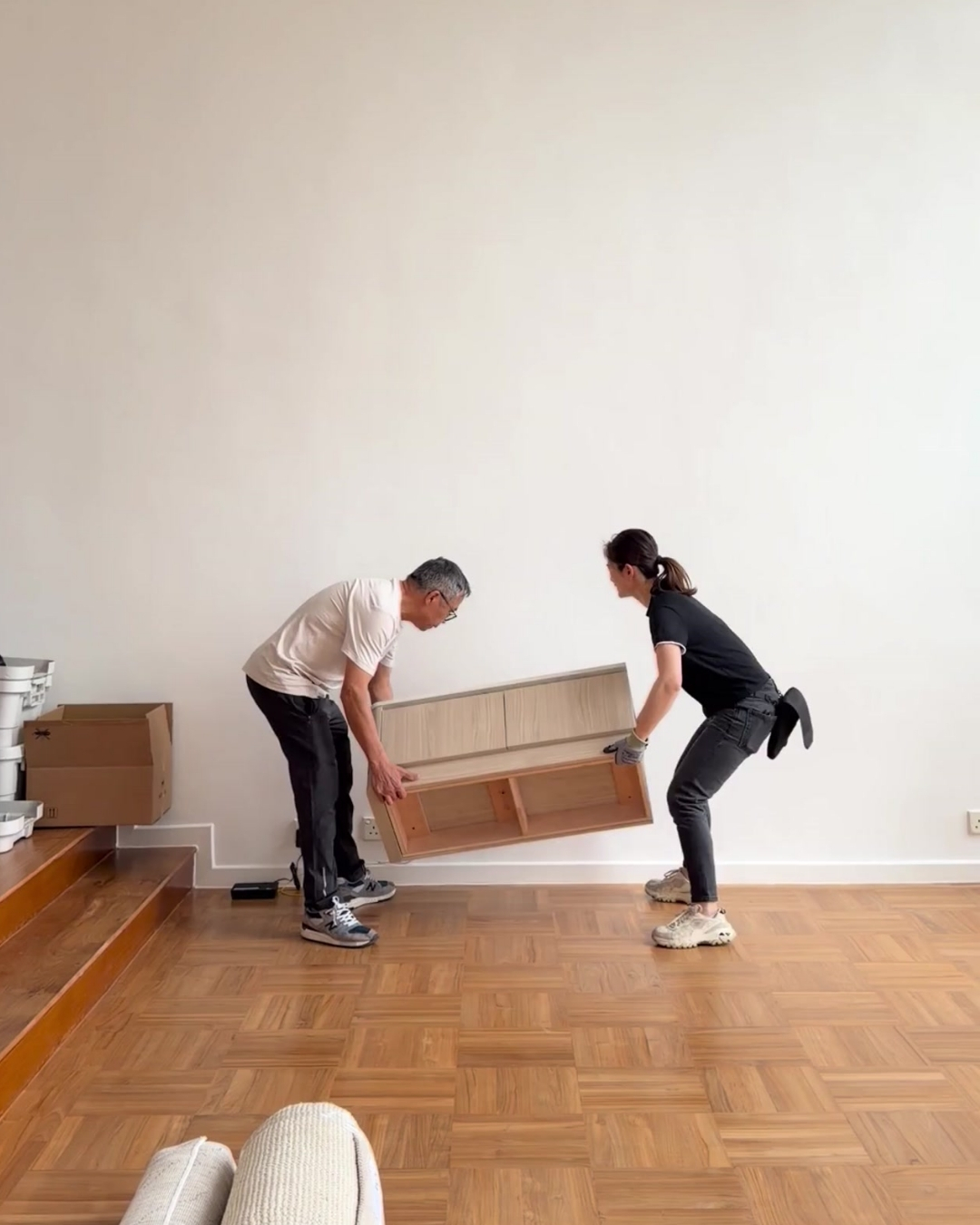
A lift can look spacious and still cause problems. The item may fit inside the lift, but not through the lift door. The lift may be deep enough, but the lobby outside may be too narrow to turn into it. A low ceiling, handrail, mirror frame or protective padding can also reduce usable space.
Common lift issues include:
- Narrow lift-door openings
- Limited turning space outside the lift
- Low-lift ceilings
- Small service lifts
- Passenger lifts that cannot be used for large deliveries
- Weight restrictions
- Protective pads reducing available clearance
Measure the lift door and the lift interior. Then measure the space outside the lift too. The turn into and out of the lift often matters just as much as the lift itself.
6. Staircases and walk-up buildings
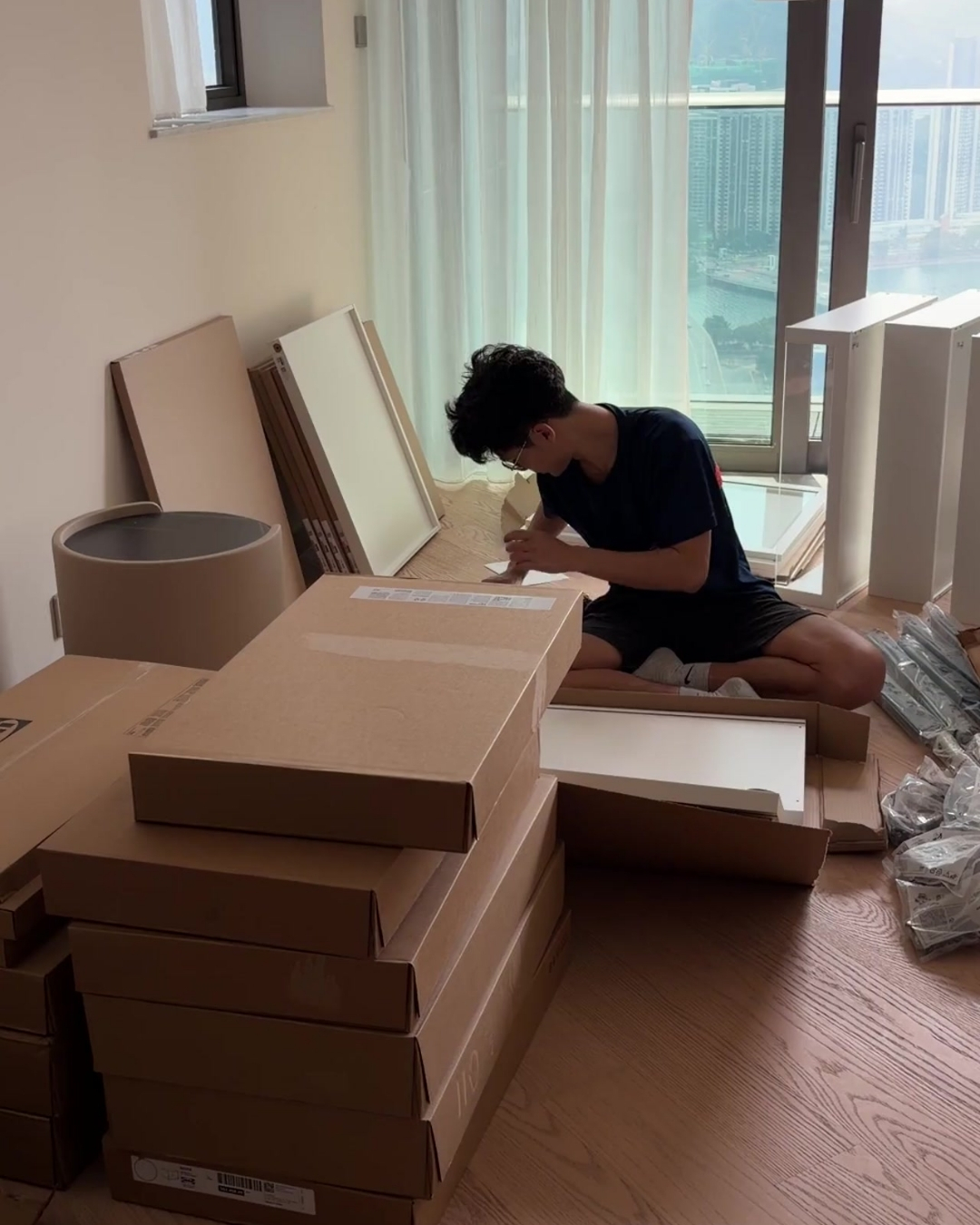
Stairs do not always mean delivery is impossible, but they can affect cost, timing and feasibility. In Hong Kong, even buildings with lifts can include a few unexpected steps between the entrance, lobby, lift and apartment. Those few steps can still matter, especially for heavy or oversized items.
Check:
- Stair width
- Landing depth
- Ceiling clearance
- Handrails
- Wall fittings
- Spiral or curved stairs
- Number of floors
- Outdoor steps
- Supplier stair limits
- Per-floor carrying charges
IKEA Hong Kong, for example, states that buildings without lifts or items that can only be carried by staircases (due to lift limitations) might incur an additional per-floor charge, up to a stated floor limit. So if you live in a 5-floor walk-up, you’ll be charged for those flights of stairs. The key lesson: disclose stairs early. Do not wait for the delivery team to discover them on arrival.
7. Corridors, corners and doorways
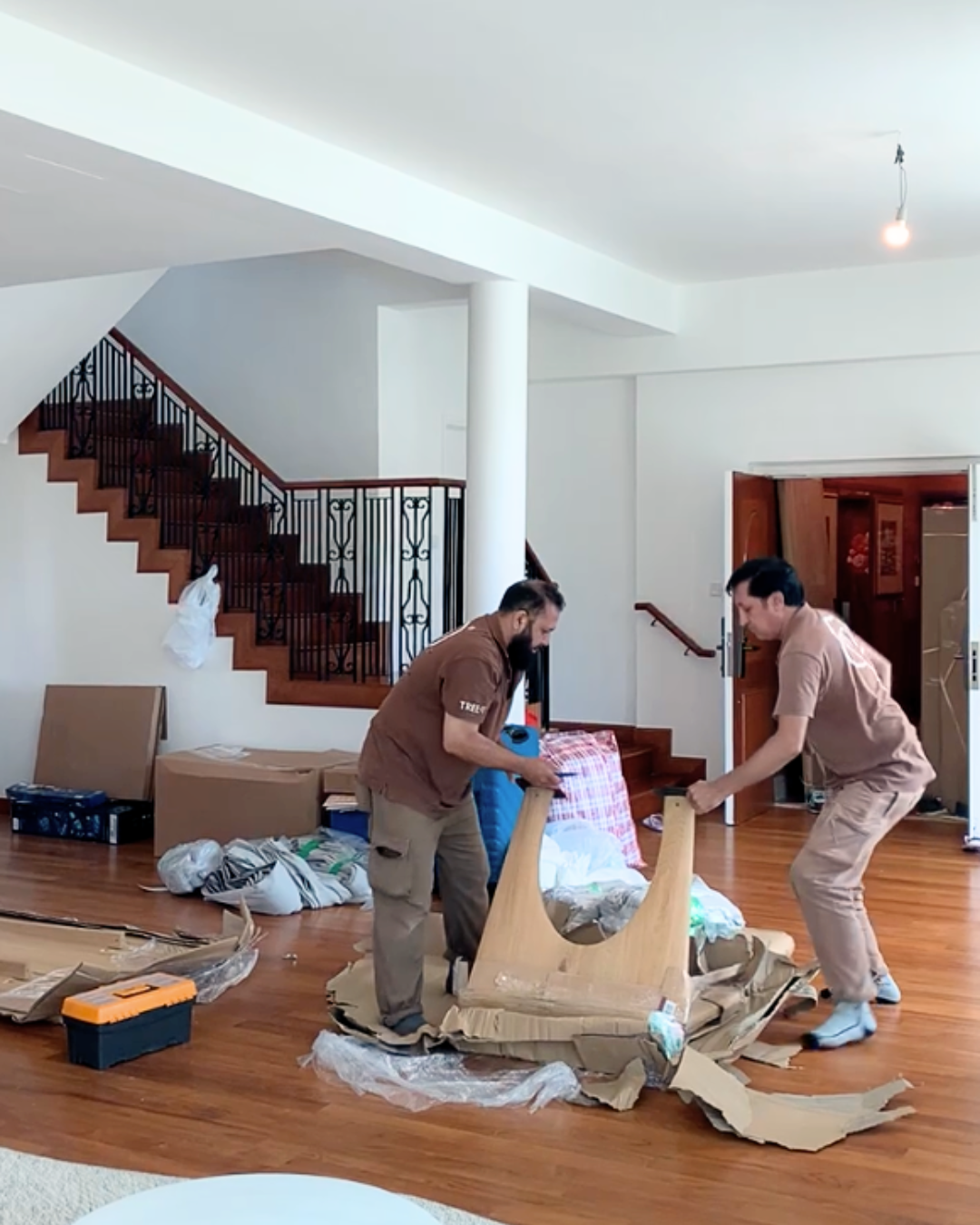
A large home piece does not just need to pass through a doorway. It may need to turn, tilt, pivot or rotate. This is where many Hong Kong homes become tricky. Narrow lift lobbies, sharp corridor turns, metal gates, door closers, and low-ceiling sections can all reduce the available working space.
Pay close attention to:
- Corridor width
- Corners between the lift and apartment
- Door frames
- Door closers
- Security gates
- Low ceiling sections
- Internal room entrances
- Space needed to rotate the item
There is a big difference between “it fits through the door” and “it can turn into the room.”
8. Common additional delivery charges
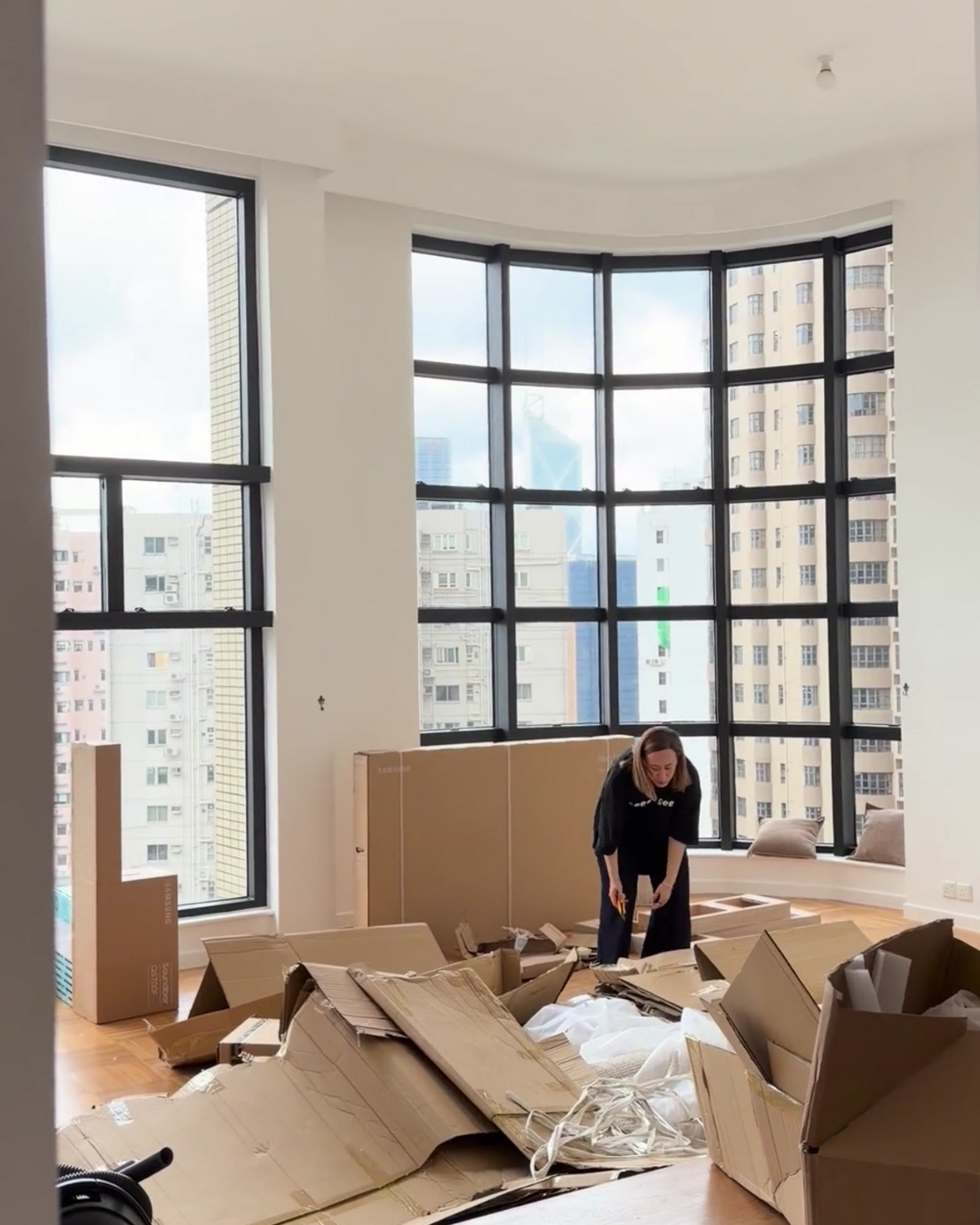
Delivery costs can change when access is more complicated than expected. Common extra charges may include:
- Stair charges
- Long-distance carrying fees
- Remote-area surcharges
- Special vehicle requirements
- Rescheduled delivery fees
- Failed-delivery charges
- Dismantling and reassembly
- Additional delivery team members
- Packaging removal
- Specialist lifting services
Supplier policies vary, so ask for written confirmation before ordering. This is especially important if your building has no lift, difficult vehicle access, outdoor steps or a long route from the unloading point.
9. Home pieces that work better with restricted access
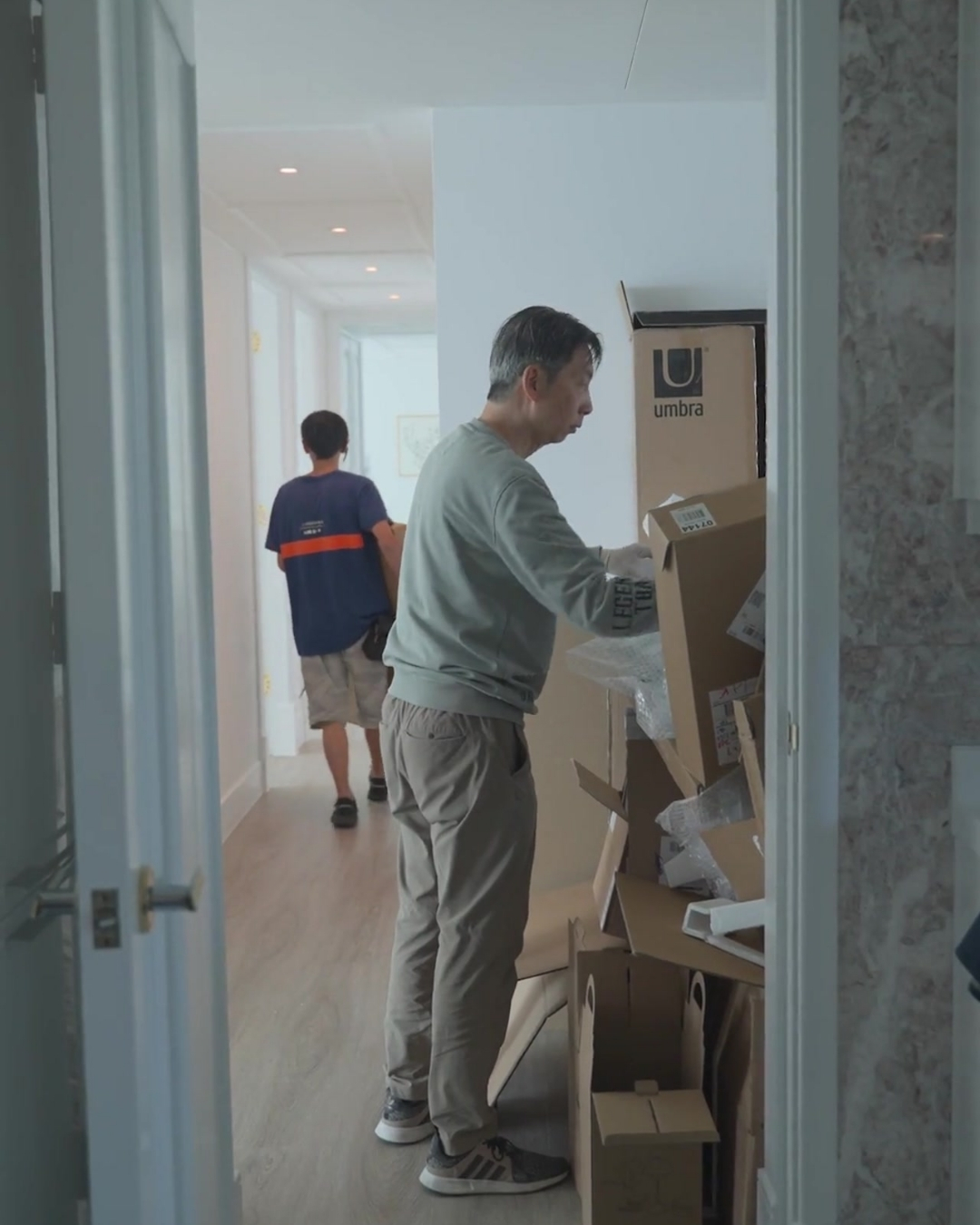
Limited delivery access does not mean your home style choices have to feel small or compromised. It just means the construction of each piece requires a little more consideration! Good options include:
- Modular sofas
- Sectional seating
- Flat-packed items that can be assembled inside the room
- Tables with detachable bases
- Cabinets delivered in sections
- Lightweight pieces
- Flat-packed designs
- Custom-sized pieces
- Locally made options
- Homeware with removable components
You don’t have to default to the smallest piece. Reach out to the store to see whether the sofa or dining table you want can be delivered in parts, assembled in place, and adapted to the route.
10. What to do when an item will not fit
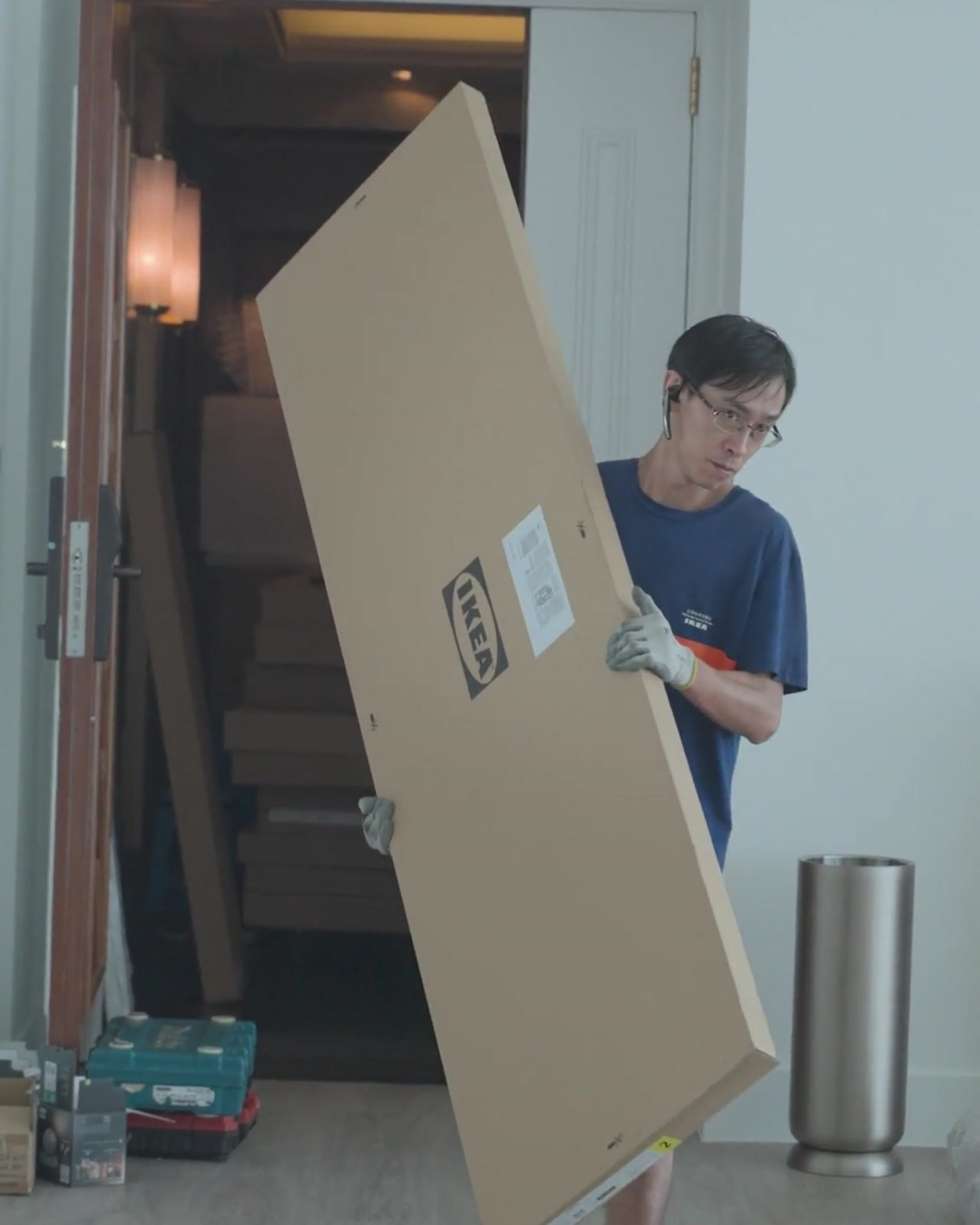
If a delivery route looks like a risky game of Tetris, think it through before pressing buy! It’s usually easier to solve the issue before the item leaves the supplier. Possible solutions include:
- Removing detachable components
- Arranging professional dismantling
- Reassembling inside the room
- Selecting a modular alternative
- Adjusting the item dimensions
- Choosing another delivery route
- Reviewing another placement within the home
- Exchanging before dispatch
Specialist lifting should only be considered with building approval, proper insurance, professional assessment and safe site conditions.
11. Prep your space before delivery day
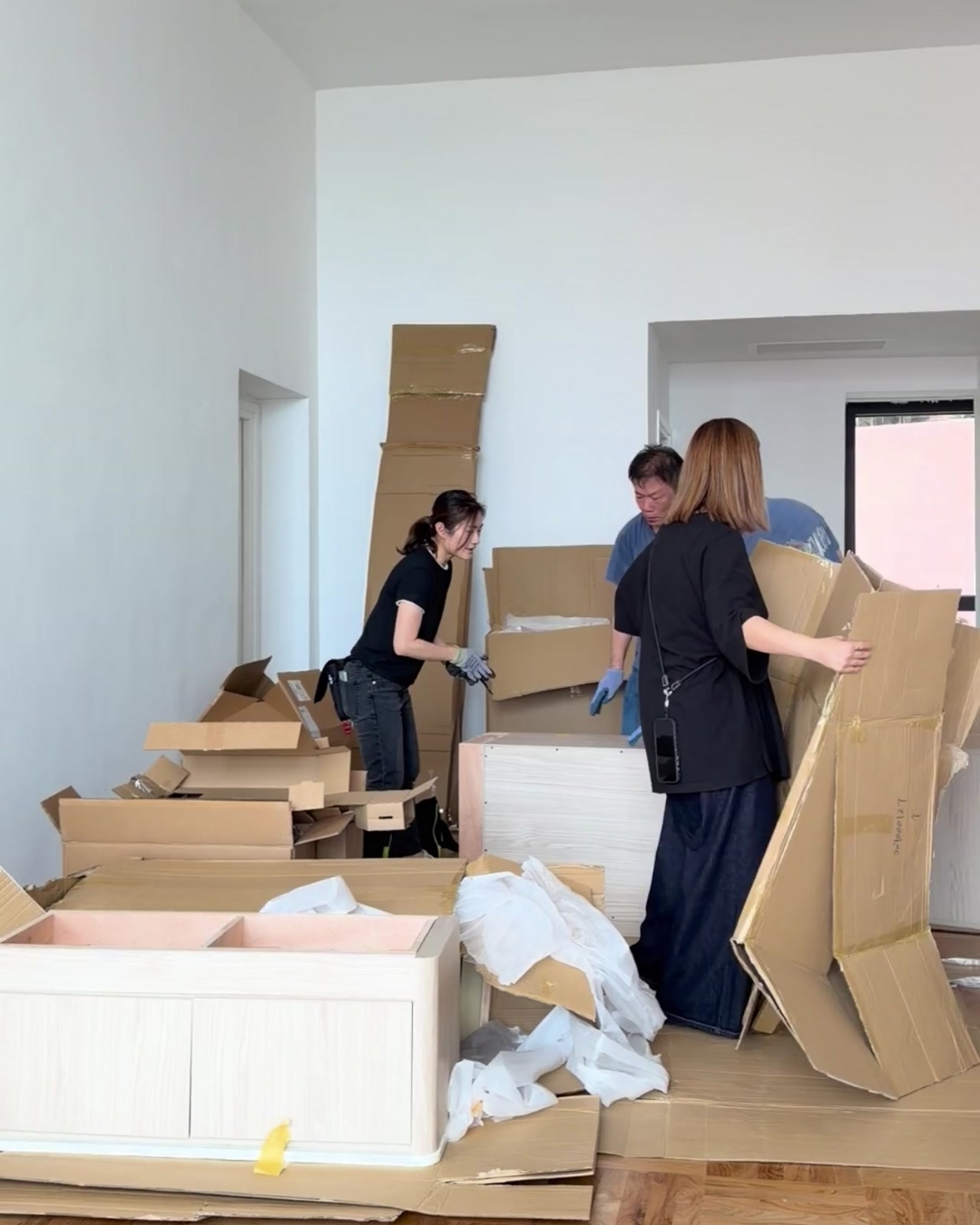
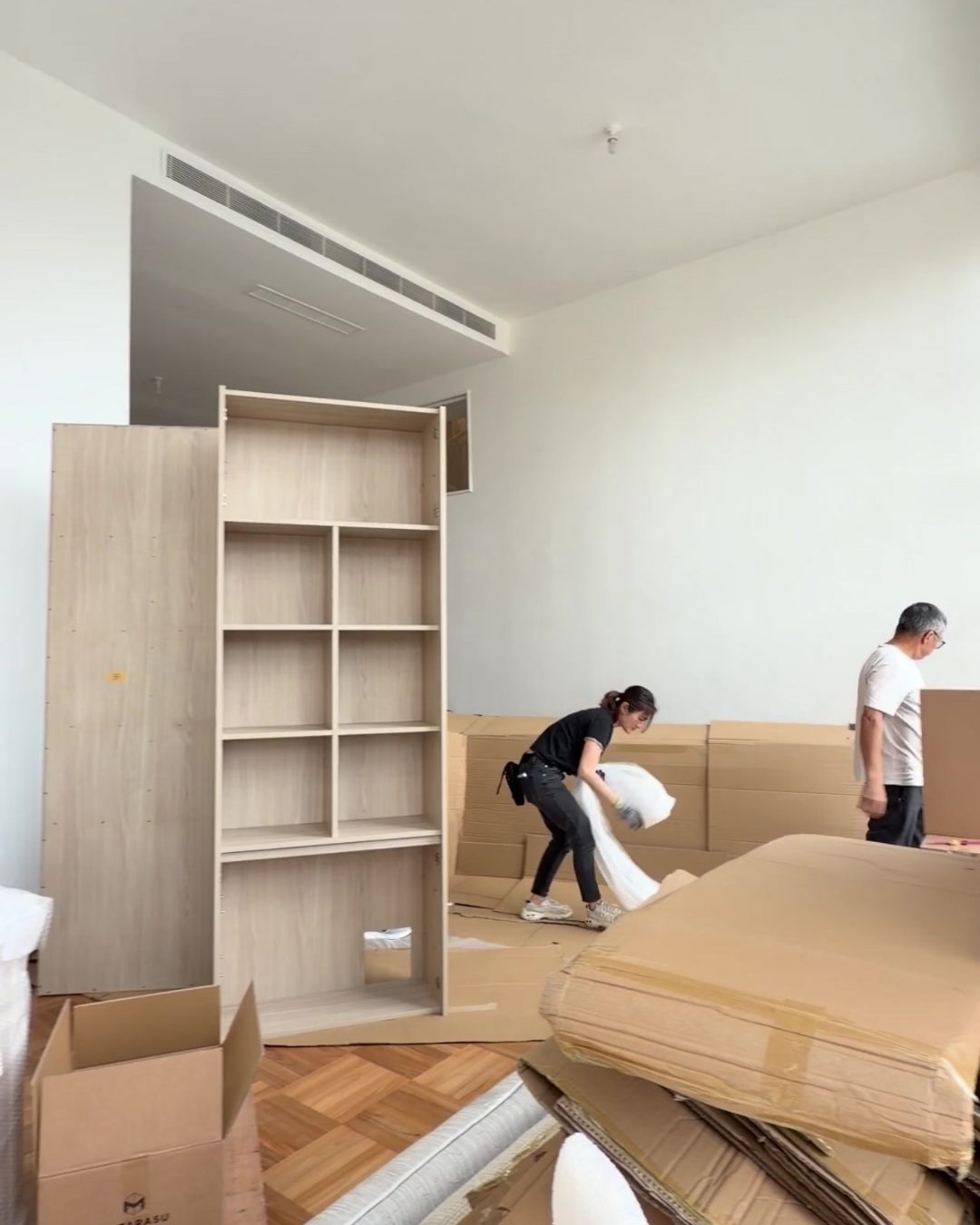
A smooth delivery depends on what happens inside the home, which means keeping things tidy so everything goes smoothly. Before the team arrives:
- Clear the entrance of obstacles
- Move smaller, breakable items out of the way
- Protect floors where needed (with cardboard, carpets or plastic sheeting)
- Keep corridors and rooms free of clutter
- Confirm assembly space
- Have a plan for where the discarded packaging will go
- Schedule larger pieces before smaller styling items
- Leave final styling until after major deliveries are complete
If multiple suppliers are involved, the sequence can matter. Larger pieces should usually arrive first, as they will need the most space. Those are your cabinets, sofas, desks, dining tables and chairs. Smaller homeware, accessories and finishing touches should follow later. Think bedside tables, lighting, paintings and boxes for organising.
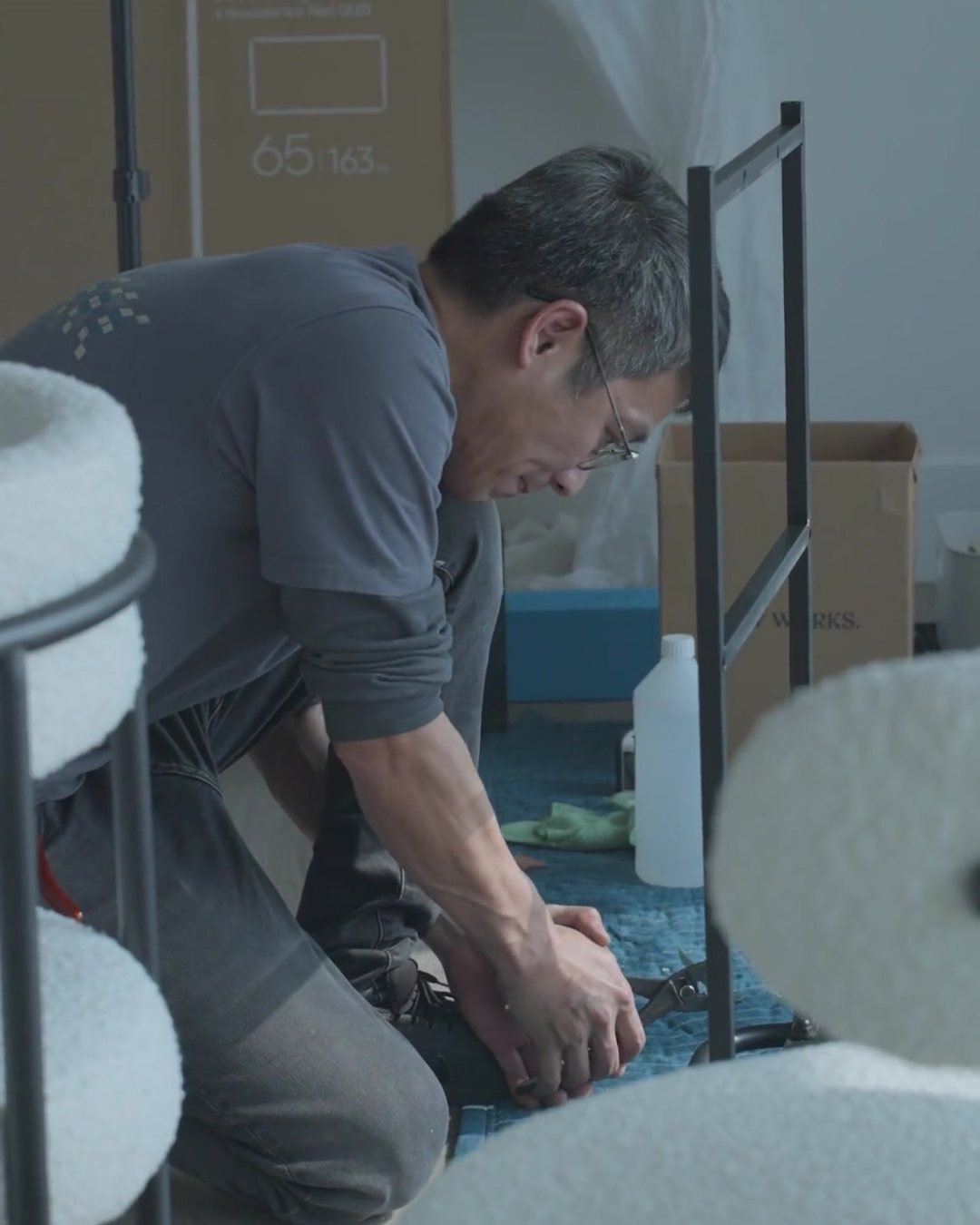
How The Editors Company manages delivery constraints
Home styling in Hong Kong is not just about choosing pieces that make your home feel personal. It’s also about knowing what can realistically be delivered into the home due to space and delivery constraints. At The Editors Company, these are the practical things we help navigate when styling your home. Creating the ambience you want at home is one thing; we do the extra legwork needed to make sure it can actually happen!
From lift and corridor measurements to building regulations, supplier coordination, assembly needs, and delivery timing. Where access is limited, we’re ready with alternative pieces that can be identified before orders are confirmed. That means fewer surprise charges, delivery-day issues and a home that comes together with way less admin for you!
For renters, relocating families and busy households, this is where turnkey styling makes a real difference. Our home styling doesn’t just hinge on how the home will look at the end, but also on how everything gets there in the first place.
Final checklist before ordering large home pieces in Hong Kong
Before placing the order, check:
- Full delivery route from vehicle to room
- Packaged dimensions
- Detachable components
- Lift-door dimensions
- Lift interior dimensions
- Stair width and landing depth
- Corridor turns
- Apartment entrance
- Internal doorways
- Building management approval
- Service-lift booking
- Delivery hours
- Stair and long-carrying charges
- Failed-delivery terms
- Return terms
- Assembly requirements
- Packaging removal
A little measuring now can save a lot of stress later.
FAQs
Do large deliveries need to be approved by building management in Hong Kong?
It depends on the building. Some residential buildings require advance notice, service-lift reservations, lift protection or security registration before large deliveries. Always check with building management before confirming the delivery slot.
How do I know if a large piece will fit in the lift?
Measure the lift door width and height, the lift interior width, depth, and height, and the diagonal clearance. Also, measure the space outside the lift because the item may need room to turn before it can enter or exit.
Are there extra charges for stairs in Hong Kong?
Often, yes. Many suppliers charge extra when items need to be carried up or down stairs. Charges usually depend on the item size, weight and number of floors. Confirm this before delivery.
What happens if an item cannot be delivered to the apartment?
Delivery may be refused, rescheduled or treated as unsuccessful, depending on the supplier’s terms. Additional handling, return or redelivery fees may apply. This is why access should be checked before the order is confirmed.
What types of home pieces work best in buildings with restricted access?
Modular, flat-packed, sectional and custom-sized pieces usually work best. Pieces with removable legs, detachable bases or sections that can be assembled inside the room are often easier to manage in Hong Kong residential buildings.
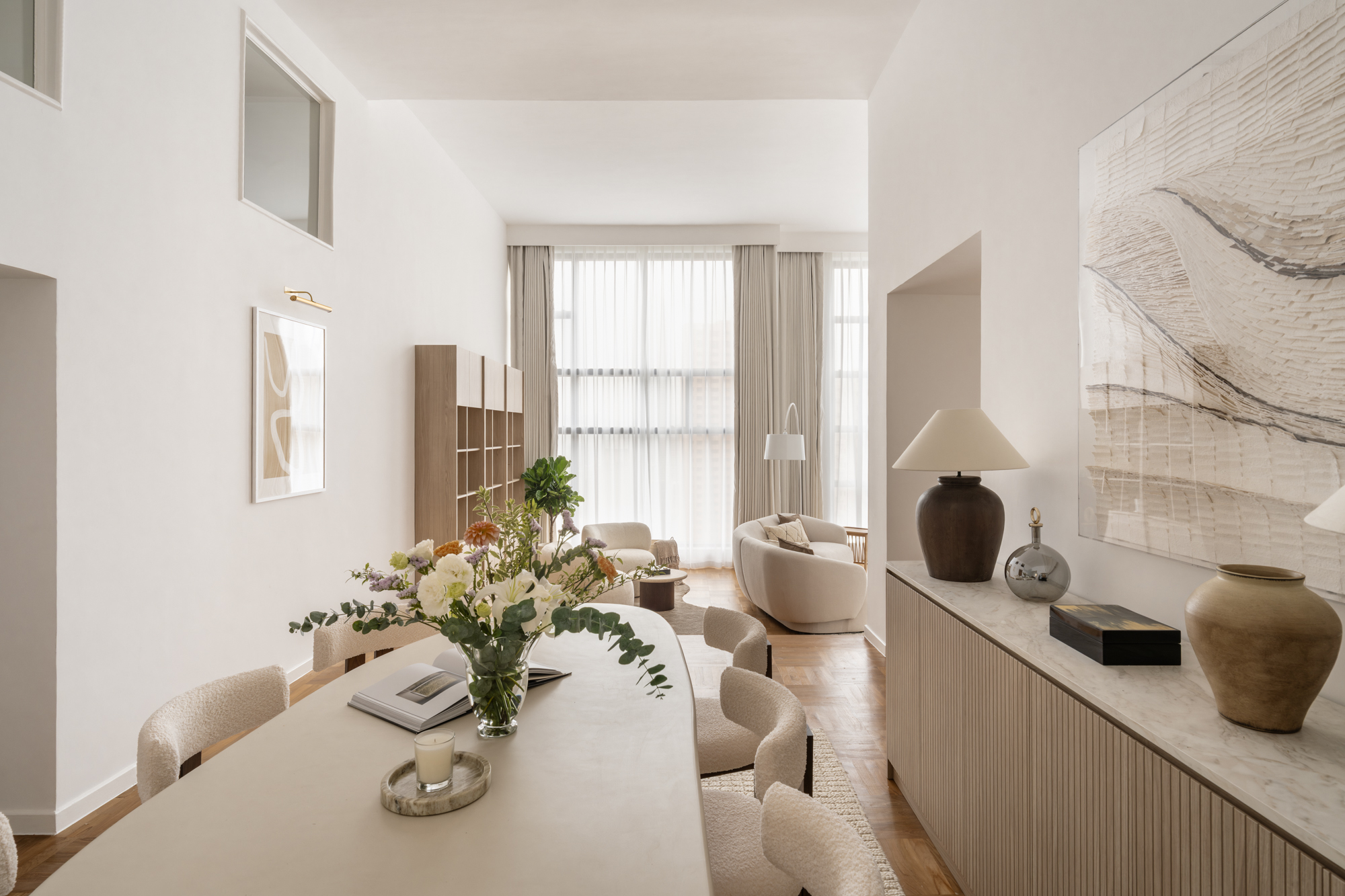
Home styled by The Editors Company
Discover more from The Editors Company
The Editors Company helps make home styling easier, from sourcing and access planning to delivery coordination and setup. Explore more Hong Kong tips, styling ideas and rental-friendly home inspiration.




Comment
Log In
Sign Up