
Moving to Hong Kong is rarely just a change of address. It is a reset in how you live, what you keep around you, and how much of your previous home you choose to carry forward.
When it comes to setting up a new space, the real decision is not whether to ship everything or start again. It is about understanding which belongings actively shape your sense of home… and which ones simply fill it.
A well-settled home is usually built in layers: a small number of meaningful, transported pieces, supported by locally chosen items that respond to the reality of the space.
That balance matters more here than in many other cities, because apartments often demand more precision in how every object earns its place.
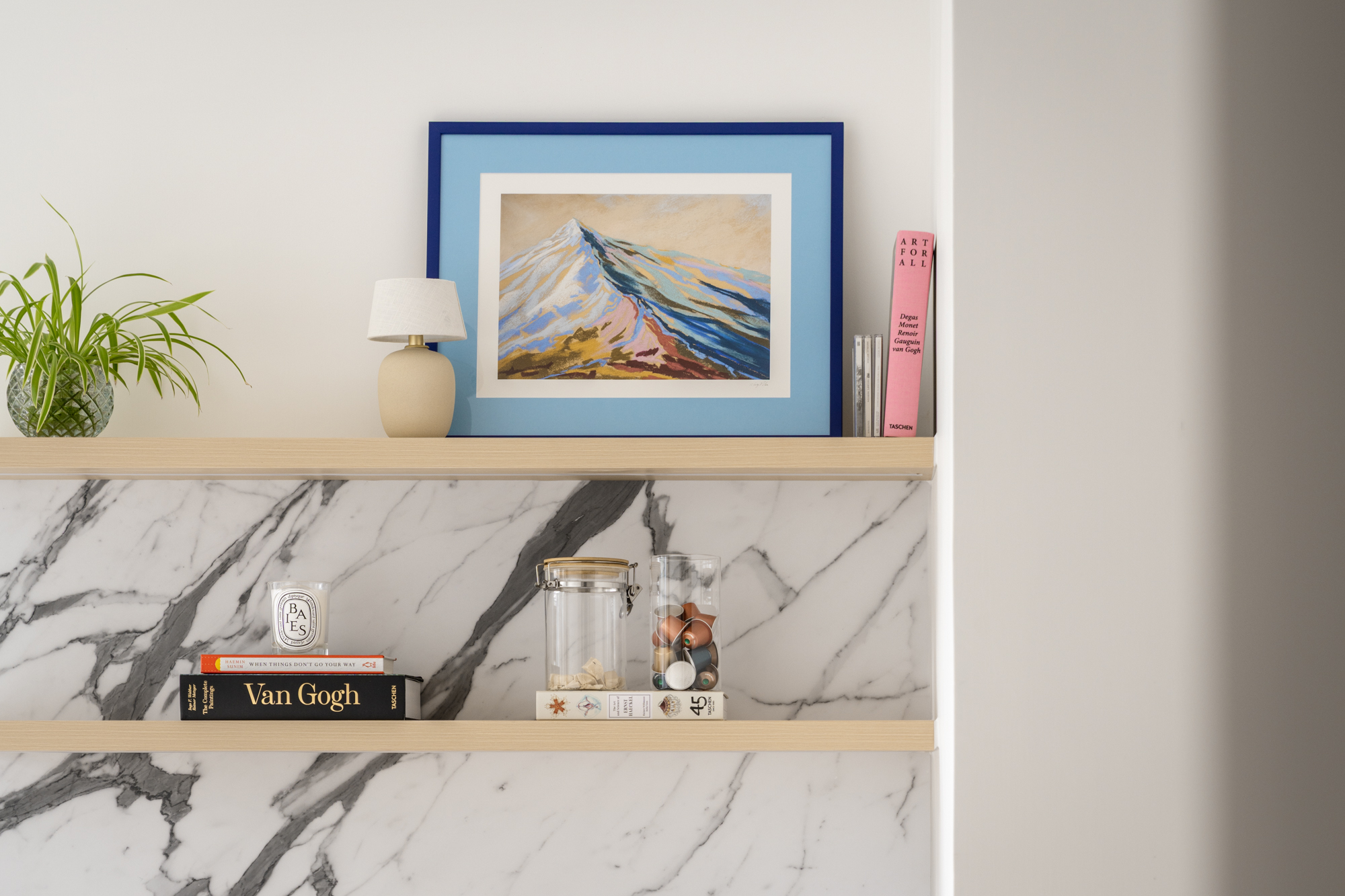
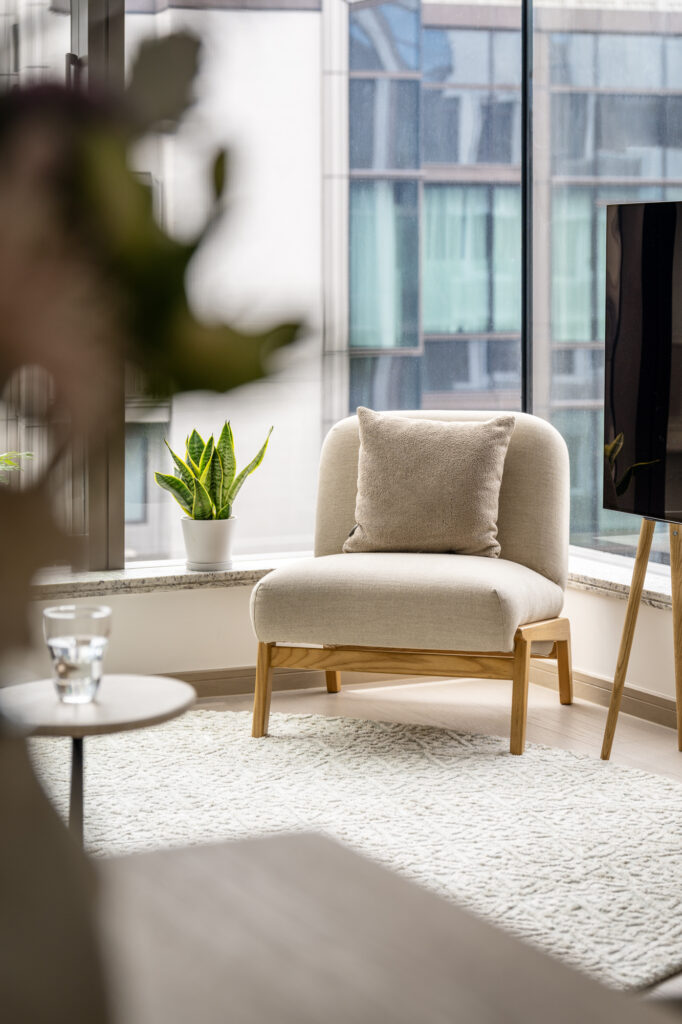
Living room styled by The Editors Company
The real question: what deserves to travel with you?
Instead of thinking in categories like “ship” or “buy locally,” it helps to think in terms of roles:
- What anchors your sense of continuity?
- What only works once you see the space?
- What is easily replaceable without emotional or practical loss?
This way of thinking helps prevent most over-shipping.
What typically earns a place in your shipment
The strongest candidates are rarely the most expensive items you own, but the most irreplaceable in meaning or fit.
Consider shipping:
- Objects tied to personal history or memory
- Pieces that have already “proven themselves” across multiple homes
- Items with craftsmanship or quality that is difficult to replicate locally
- Belongings that define how you want your home to feel, not just how it looks
- Items that are already confirmed to work in your next layout
What matters here is not category, but permanence of value. A simple wooden table that has followed you through several cities may matter more than a high-end item bought recently with no emotional attachment!

Living room styled by The Editors Company
What is better left until you arrive
In Hong Kong, many everyday home decisions are better made in context rather than in advance.
This is especially true for items that depend on:
- Exact room proportions
- Natural light and layout flow
- Storage constraints that only become obvious in person
- How you actually move through the space day to day
These are typically better sourced locally:
- Soft layers that define comfort (bedding, textiles, cushions)
- Light control and privacy solutions
- Everyday kitchen and dining basics
- Storage systems that respond to the apartment, not assumptions about it
- Decorative items that depend on visual balance within the room
The key issue is not availability; it’s fit. Many items only make sense once the apartment stops being theoretical and you have exact dimensions on hand.
Why Hong Kong changes how you should think about “fit”
One of the most common mistakes expats make is assuming that a floor plan tells the full story.
In reality, Hong Kong apartments often introduce constraints that are not obvious on paper:
- Tight circulation paths that affect placement more than room size
- Fixed architectural elements that limit layout flexibility
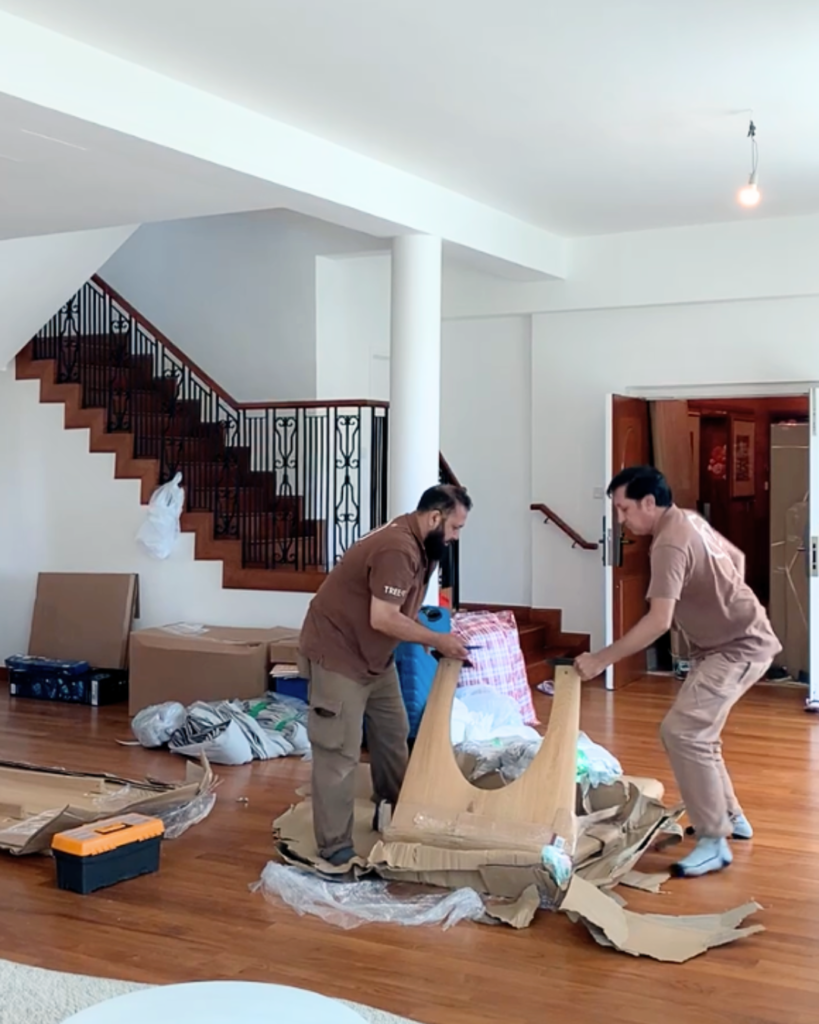
- Building access that influences what can realistically be delivered
- Storage limitations that change what “too much” actually means
This is why even well-chosen items can fail in practice if they are selected too early. A piece does not just need to fit the room, it needs to fit how the room behaves.
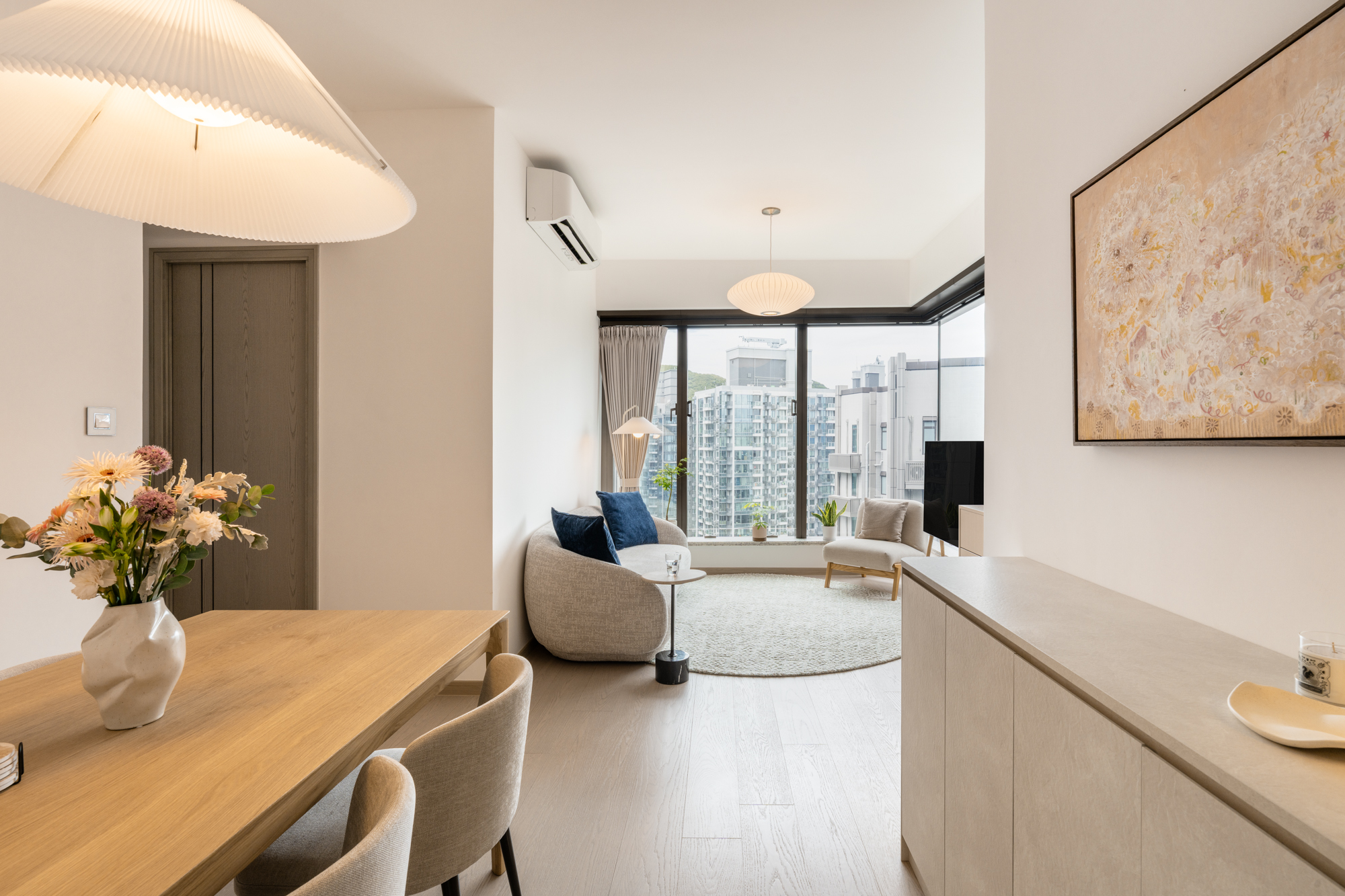
Dining room styled by The Editors Company
When larger pieces are worth the effort
Larger items are often the most difficult to justify shipping, but also often the most emotionally significant.
They tend to be worth it when:
- They carry continuity across multiple stages of life
- They define how you use a space, not just how it looks
- They are materially difficult to replace
- They have already been tested in real living conditions over time
The distinction is simple but important: you are not shipping an object, you are deciding whether a part of your life continues with you.
The hidden cost of “just bring it anyway”
A common relocation pattern is to default to shipping items “just in case.” But in Hong Kong, that approach often creates friction later:
- Items that technically fit but disrupt flow
- Storage pressure that limits flexibility
- Rooms that feel full before they feel finished
- Decisions made under constraint rather than clarity
The cost is not only financial; it’s spatial and psychological.
The role of locally sourced items
Locally sourced pieces have the major benefit of:
- Responding to real dimensions rather than estimated ones
- Adjusting to how light, humidity, and layout actually behave
- Refining comfort once you are physically living in the space
- Avoiding locking in decisions too early
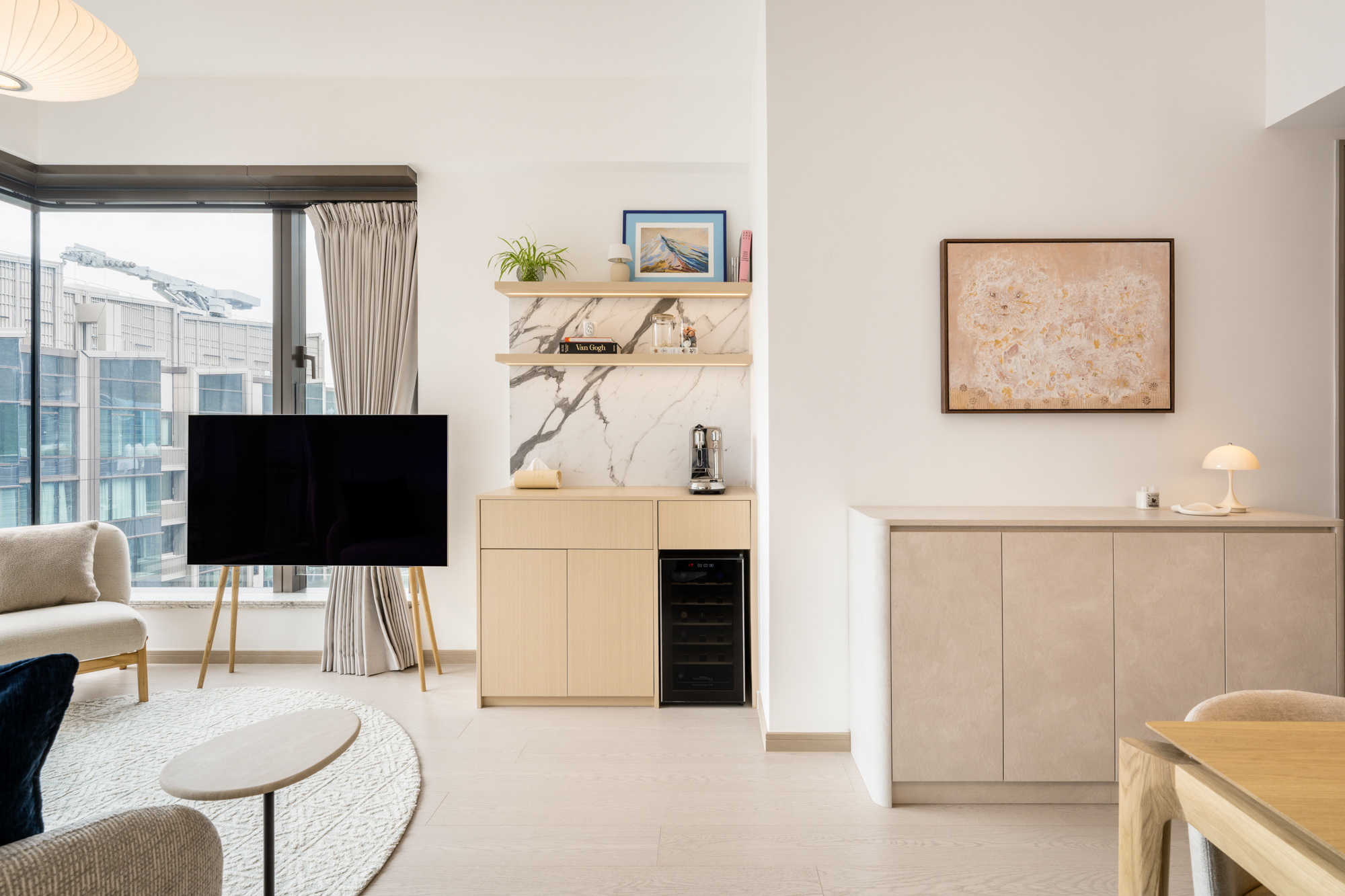
Living room styled by The Editors Company
In well-settled homes, these items often end up doing most of the day-to-day work.
Choosing materials for Hong Kong’s climate
Hong Kong has a subtropical climate, with hot and humid conditions particularly common from May to August.
Heavy duvets, thick upholstery and fabrics chosen for colder climates will certainly not feel comfortable or practical in your new home. Locally sourced bedding and soft furnishings are more likely to reflect the conditions in which they will be used.
Humidity should also be considered when deciding whether to ship delicate fabrics, untreated wood, leather or items that have been kept in a much drier environment.
These are easy to replace
Soft furnishings can transform a home, but they are generally not irreplaceable. They are also easier to source, transport and change than a major piece of furniture.
Unless a rug, textile or set of curtains has real sentimental or material value, it may not justify taking up space in an international shipment.
Should you ship electrical appliances to Hong Kong?
In most cases, it is simpler to buy everyday electrical appliances locally.
Hong Kong uses compliant three-pin plugs, and appliances brought from overseas may not be suitable for the local voltage, frequency, plug requirements or environmental conditions.
Before shipping an appliance, check:
- Its voltage and frequency
- Whether it can safely operate at 220 volts and 50 hertz
- Its plug type
- Whether an adaptor or transformer would be required
- Whether the appliance is valuable enough to justify shipping
- Whether a local warranty or servicing option will be available
Small kitchen appliances, lamps, dehumidifiers and similar items are often easier to purchase after arrival. Buying locally also reduces the number of adaptors and extension leads you will need around your home.

TV room styled by The Editors Company
A simple test before you ship anything
Before committing to shipping, ask:
- Does this change how I live, or just how the room looks?
- Would I choose this again today, knowing the constraints of Hong Kong space?
- Am I shipping this because it matters — or because I already own it?
- Will this still feel right if the room is smaller, brighter, or more constrained than expected?
If the answer is unclear, it usually means the decision is not ready yet.
Settling in is not a single moment
A home in Hong Kong rarely comes together in one stage.
It forms gradually through:
- A few anchored, meaningful pieces
- Space-aware decisions made after arrival
- Adjustments based on how you actually live in the apartment
The goal isn’t to recreate your previous home. It is to build something that reflects continuity without forcing replication.
The Editors Company helps expats shape Hong Kong homes in this way, not only helping you create your space before you arrive, but also helping each decision respond to both personal history and spatial reality.
If you’re planning a move to Hong Kong and want support deciding what to ship, what to buy locally, and how to make your new space work from day one, you can take our home quiz and book a consultation with The Editors Company to plan your setup before or after arrival.
The result is a home that feels intentional, not assembled.
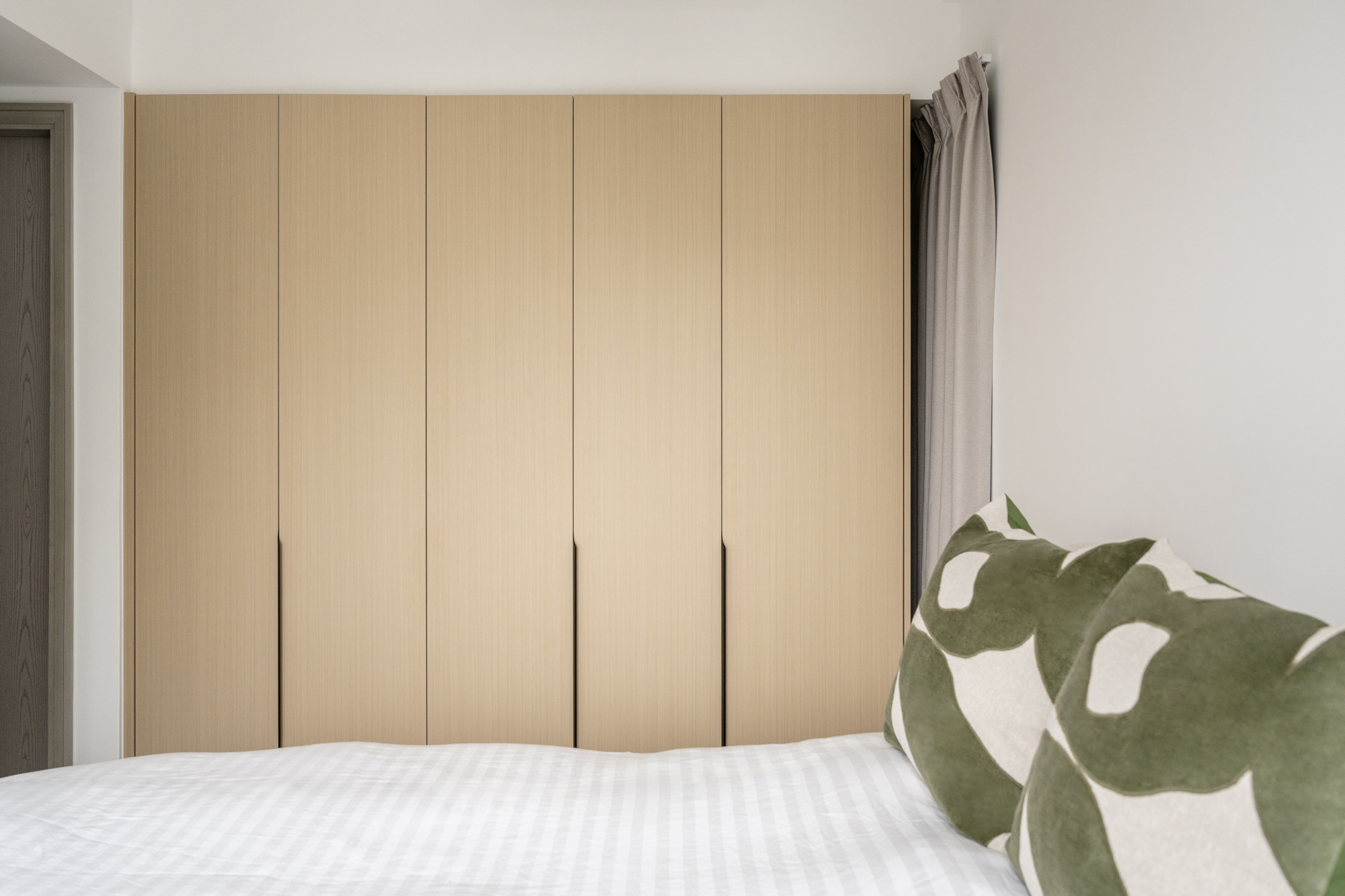
Bedroom styled by The Editors Company
Frequently asked questions (FAQs)
Should I decide everything before moving to Hong Kong?
If you can, finding an apartment first can help you better decide. Many of the most important decisions involve knowing your floor plans or measurements.
Is it better to ship fewer items?
In most cases, yes. Fewer, more meaningful items tend to create stronger continuity than a large volume of generic belongings.
Why do some shipped items not work in Hong Kong homes?
Not because they are unsuitable in themselves, but because they were chosen without full awareness of spatial constraints, flow, and access limitations.
How do I avoid overfurnishing a small apartment?
By prioritising function and movement first, and only layering additional items once the core layout feels comfortable in practice.
What makes a home feel settled quickly?
A small number of familiar, meaningful objects combined with space-appropriate local choices that respond to how the apartment actually behaves.



Comment
Log In
Sign Up